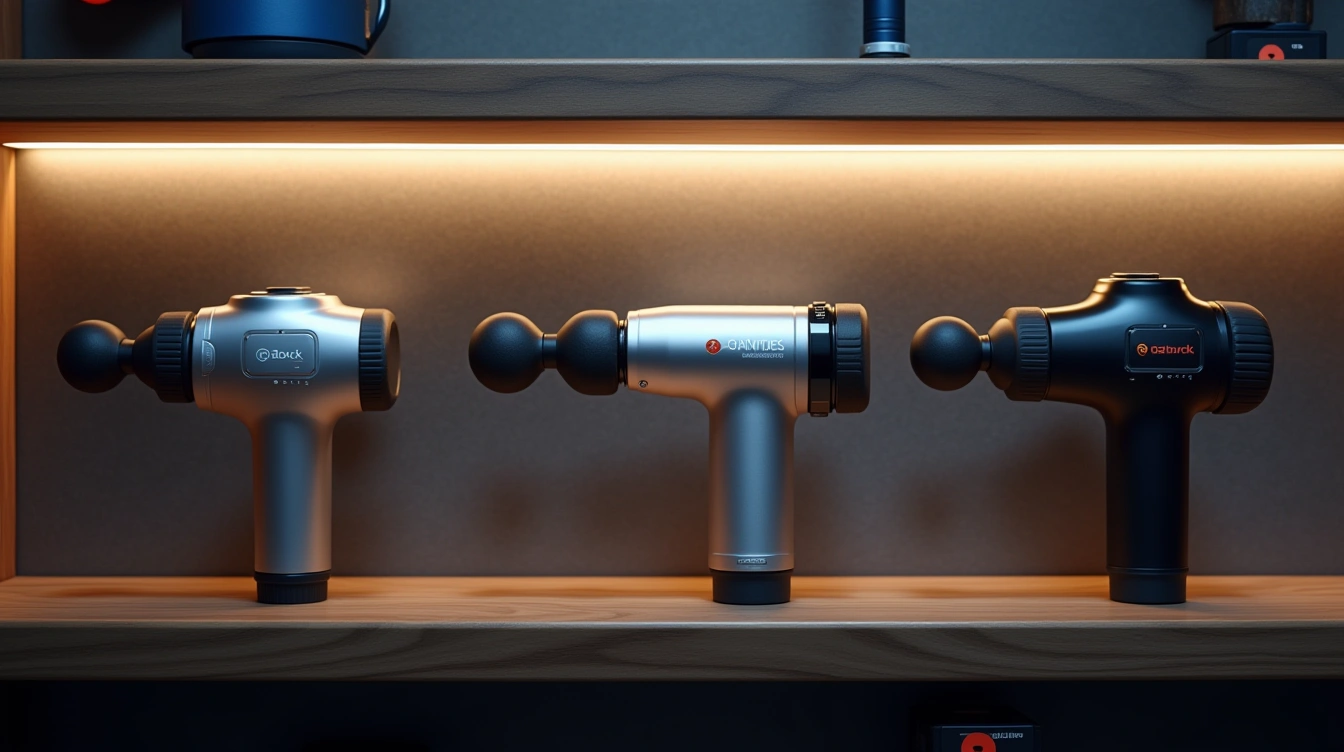
Professional athletes and fitness enthusiasts are discovering what research confirms: massage guns can reduce muscle soreness by up to 30% compared to passive recovery, according study published in the Journal of Clinical Medicine. These portable devices deliver targeted percussive therapy that increases blood flow, breaks down lactic acid buildup, and accelerates muscle repair after intense training sessions. Ready to transform your post-workout routine?
How percussion therapy accelerates muscle restoration ?
Percussion therapy works by delivering rapid, targeted pulses deep into muscle tissue, creating a cascade of physiological responses that dramatically enhance recovery. When these controlled vibrations penetrate your muscles, they trigger increased blood flow to the treated area, delivering fresh oxygen and essential nutrients while simultaneously removing metabolic waste products.
In parallel : What techniques can improve your breathing during cardio workouts?
The mechanical stimulation breaks up fascial adhesions and muscle knots that form during intense training. This process helps restore normal tissue elasticity and reduces the inflammation that causes post-workout soreness. Your body’s natural healing mechanisms receive a significant boost as circulation improves throughout the treated muscle groups.
Perhaps most importantly, percussion therapy activates the body’s lymphatic drainage system. This network helps eliminate lactic acid and other toxins that accumulate during exercise. By accelerating this natural detoxification process, your muscles can begin the repair and rebuilding phase much faster than through passive recovery alone.
Have you seen this : How does resistance training contribute to better joint health?
The therapy also stimulates nerve pathways that can temporarily reduce pain perception, allowing you to move more freely and maintain better mobility during the critical recovery window immediately following your workout. You can find workout recovery massage guns designed specifically for athletic performance and faster recovery times.
Essential features to consider when choosing your device
The massage gun market offers dozens of models with varying specifications. Understanding the key technical features helps you select a device that matches your specific recovery needs and training intensity.
Here are the essential criteria to evaluate when comparing massage guns:
- Amplitude range: Look for 10-16mm amplitude for deep tissue penetration. Higher amplitudes reach muscle layers more effectively during post-workout recovery sessions.
- Speed settings: Quality devices offer 3-5 speed levels (1,200-3,200 RPM). Multiple speeds allow you to customize intensity based on muscle sensitivity and treatment area.
- Battery life: Premium models provide 3-6 hours of continuous use. Longer battery life ensures reliable performance during extended training camps or multiple daily sessions.
- Pressure tolerance: Professional-grade guns maintain consistent speed under 30-40 lbs of applied pressure. This feature prevents motor stalling during intensive muscle work.
- Attachment variety: Standard packages include 4-6 heads for different muscle groups. Ball heads work for large muscles, while bullet attachments target trigger points precisely.
- Noise level: Quality motors operate below 50 decibels. Quieter operation allows for use in shared spaces without disturbing teammates or family members.
These specifications directly impact your device’s effectiveness and longevity during regular athletic recovery routines.
Frequently asked questions about recovery devices
Do massage guns really help with muscle recovery after workouts?
Yes, massage guns effectively reduce muscle soreness and improve blood circulation. Studies show they accelerate recovery by breaking down lactic acid buildup and reducing inflammation after intense training sessions.
Which massage gun is best for sore muscles after exercise?
Look for models with variable speed settings and multiple attachment heads. Premium brands like Theragun and Hypervolt offer professional-grade percussion therapy specifically designed for post-workout muscle relief.
How often should I use a massage gun for workout recovery?
Use your massage gun for 2-3 minutes per muscle group immediately after workouts. For maintenance, daily 10-15 minute sessions on problem areas provide optimal recovery benefits without overstimulation.
Are massage guns better than foam rollers for post-workout recovery?
Massage guns provide deeper percussive therapy and target specific trigger points more effectively. While foam rollers work well for general mobility, massage guns offer superior precision for acute muscle tension.
What features should I look for in a massage gun for athletic recovery?
Prioritize battery life (3+ hours), adjustable speed levels, quiet operation, and ergonomic design. Professional athletes prefer models with interchangeable heads and stall force resistance for consistent performance.